Risks of ‘excessive’ reliever inhaler use ‘not fully recognised’ finds inquest
Arthur Walsh,
19 Mar 2026 1 Min
1 Min

Arthur Walsh,
19 Mar 20261 Min
Arthur Walsh,
19 Mar 20261 Min


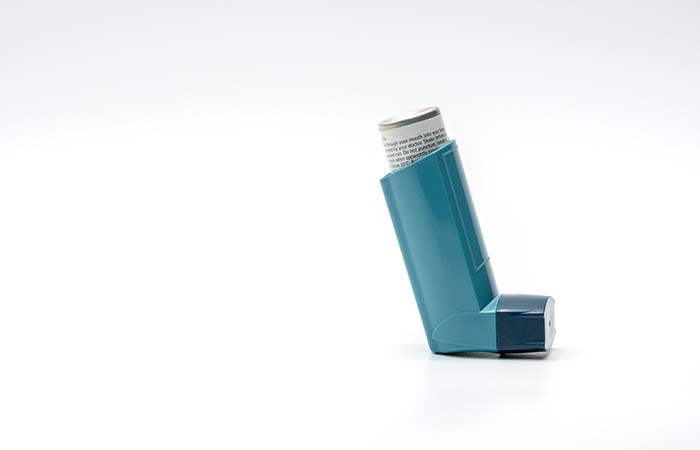
The risks posed by “excessive” use of reliever inhalers by asthma patients “may still not be fully recognised by patients or by primary care,” a coroner has said following an inquest into the death of a 22-year-old man in December 2023.
In a report to prevent future deaths published this week that has been issued to health secretary Wes Streeting and NHS England, area coroner for Coventry Linda Lee identified several considerations arising from the death of Roman Barr on December 14, 2023 after he suffered a severe asthma attack.
The inquest, which concluded on March 3, heard that Roman used his blue inhaler “more frequently than recommended,” which indicated “poor asthma control, and that “neither he nor his family were aware of the clinical significance of this increased risk”.
Ms Lee wrote: “Following his death, the GP practice conducted a review and introduced measures to better identify and monitor patients with high salbutamol use, including keeping a list of such patients, automatically booking reviews when further inhalers are requested, liaising with community pharmacists and placing alerts on patient records to support timely assessment.”
Ms Lee said evidence suggests that “patients and families may not appreciate the clinical significance” of increased use of blue (salbutamol) inhalers “or its association with poor controlled asthma,” adding that primary care providers may not fully recognise the significance of excessive use.
She commented: “Evidence showed that excessive or repeated requests for salbutamol inhalers may not be reliably identified within existing systems, and there may be no consistent process for follow-up when such patterns occur, meaning deteriorating asthma may go unrecognised.”
Ms Lee also identified matters of concern relating to the standard procedures relied on by the NHS Pathways triaging service to assess clinical risk when prioritising patients for ambulances.
Roman’s family made three calls to the ambulance service after the onset of his asthma attack, with call handlers assessing Roman as Category 2. His family were told twice that an ambulance would not be available for several hours.
It was established that at the time of the first call, Roman was already critically unwell, having displayed symptoms such as bluish lips. However, this “was not elicited during triage” the coroner said.
The inquest noted that the NHS Pathways question asking whether a patient is “a deathly colour” was not understood by Roman’s father. Roman was “of mixed ethnicity and had a darker skin tone,” as his father explained to the call handler.
A subsequent request to amend this wording “was not accepted by those responsible for the system’s content,” Ms Lee noted.
The inquest found that although ambulance availability was “severely constrained,” it was probable that had “clearer wording” been used and the appropriate information conveyed, Roman “would have been categorised as Category 1” and had an ambulance despatched to him within 10 minutes.
He suffered a cardiac arrest while being driven to the hospital by his parents, with his mother performing CPR in the footwell of the passenger seat. When the car arrived at the hospital it was involved in a collision, with Roman’s mother sustaining serious injuries.
Medics were unable to resuscitate Roman, who died shortly after the family arrived at the hospital.
Ms Lee raised concerns about the “prolonged ambulance handover times” at local hospitals, we well as the failure of a vital NHS Pathways question to elicit clinically important information.
“This raises a concern that, given the reliance on scripted triage systems, such scripts may not always use wording that is easily understood by lay callers in distress,” she wrote.
In addition to Mr Streeting and NHSE, the coroner’s report has been sent to NHS Pathways, the Royal College of GPs and the Care Quality Commission, all of whom are required to respond by April 29.
Related: Coroner urges review of apixaban leaflets after head trauma death
Coroner: Failure to renew methotrexate advice since Pharmacy First creates ‘ambiguity’